For many Canadians, the allure of the casino, whether a physical establishment or an online platform like Drakaris, extends beyond the mere possibility of winning. It delves into a complex interplay of psychology, where motivations range from the thrill of chance to the desire for social interaction and even the pursuit of escapism. Understanding these underlying drivers is key to appreciating the enduring popularity of casino gaming across the nation.
The decision to place a bet, spin a slot, or play a hand of poker is rarely a purely rational one. It is often influenced by a cocktail of emotions, cognitive biases, and personal circumstances. This article aims to explore the multifaceted psychology of Canadian casino players, shedding light on the various reasons why individuals are drawn to the gaming floor and the behaviours that often accompany their experiences.
From the seasoned high roller to the casual weekend player, each individual approaches the casino with a unique set of expectations and internal narratives. Recognizing these psychological underpinnings not only enriches our understanding of the gaming landscape but also provides valuable insights for both players and operators alike.
The Thrill of the Chase: Adrenaline and Anticipation
At its core, gambling taps into a fundamental human desire for excitement and the anticipation of reward. The uncertainty of the outcome, the potential for a significant win, and the rapid pace of many casino games all contribute to a surge of adrenaline. This physiological response can be highly addictive, creating a feedback loop where the pursuit of that “rush” becomes a primary motivator.
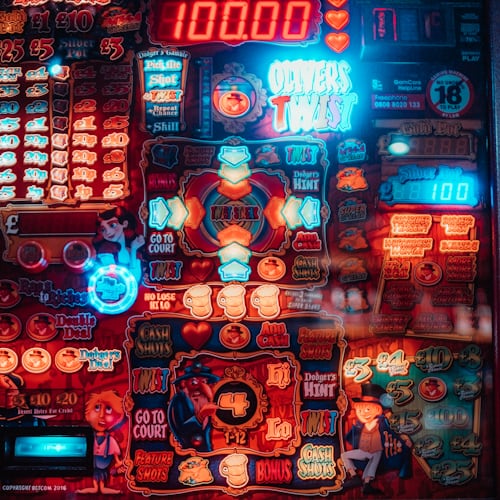
For many, the casino represents a departure from the mundane, a space where the ordinary rules of life are suspended, and the possibility of extraordinary fortune exists. The flashing lights, the sounds of slot machines, and the hushed intensity of a card table all combine to create an immersive environment that amplifies this sense of excitement.
Seeking Diversion and Escapism
Beyond the thrill, a significant number of Canadian players turn to casinos as a form of escapism. The pressures of daily life – work, family, financial worries – can be temporarily forgotten when immersed in the world of gaming. The focus required to play a game, coupled with the engaging atmosphere, provides a mental break from everyday concerns.
This escapist motivation can be particularly strong for individuals experiencing stress or dissatisfaction in other areas of their lives. The casino offers a readily accessible environment where they can momentarily shed their responsibilities and immerse themselves in a different reality, one where the focus is solely on the game at hand.
The Social Fabric of Gaming
While often perceived as a solitary pursuit, gambling can also be a deeply social activity. Many casinos offer a vibrant social atmosphere, allowing individuals to connect with friends, meet new people, and engage in shared experiences. This is particularly true for table games like poker and blackjack, where interaction with dealers and fellow players is an integral part of the game.
For some, the casino is a place to socialize and unwind with friends, with the gaming aspect being secondary to the camaraderie. The shared excitement of a win or the commiseration over a loss can strengthen bonds and create lasting memories. This social dimension is a powerful draw, especially for those who may not have many other opportunities for such interactions.
Cognitive Biases at Play
The psychology of gambling is also heavily influenced by a range of cognitive biases that can affect decision-making. These mental shortcuts, while often useful, can lead to flawed reasoning in the context of games of chance.
Common Cognitive Biases in Gamblers:
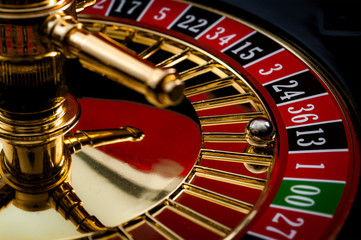
- The Gambler’s Fallacy: The mistaken belief that if something happens more frequently than normal during some period, it will happen less frequently in the future, or that if something happens less frequently than normal during some period, it will happen more frequently in the future (e.g., believing a roulette wheel is “due” for a certain number after a string of other outcomes).
- Illusion of Control: The tendency for individuals to overestimate their ability to influence events that are actually determined by chance. This can manifest in superstitions or rituals believed to bring good luck.
- Near Miss Effect: Experiencing an outcome that is close to a win (e.g., almost hitting the jackpot on a slot machine) can increase motivation to continue playing, even though the probability of winning has not changed.
- Confirmation Bias: Seeking out and interpreting information in a way that confirms pre-existing beliefs, such as focusing on past wins while downplaying losses.
These biases can contribute to a distorted perception of risk and reward, making it difficult for players to make objective decisions about their betting patterns.
The Pursuit of Skill and Strategy
While many casino games are rooted in chance, some offer elements of skill and strategy. Games like poker, blackjack, and sports betting allow players to employ tactics, make calculated decisions, and potentially influence the outcome through their expertise. This appeals to individuals who enjoy intellectual challenges and the satisfaction of outsmarting opponents or predicting outcomes.
The belief that one can develop a winning strategy, even in games with a significant house edge, can be a powerful motivator. The process of learning, practicing, and refining one’s skills can be as rewarding as the potential for financial gain. This pursuit of mastery adds another layer to the complex motivations of casino players.
The Role of Technology and Online Platforms
The advent of online casinos has revolutionized the gambling landscape, making it more accessible and convenient than ever before. Technology has not only expanded the reach of casinos but has also influenced player behaviour and expectations.
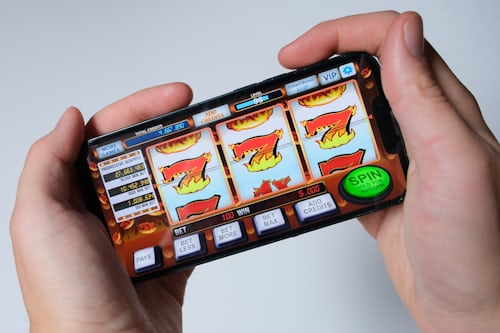
Online platforms offer a vast array of games, often with lower minimum bets, allowing players to engage with their preferred forms of entertainment from the comfort of their homes. Features such as live dealer games aim to replicate the social and immersive experience of land-based casinos, while sophisticated algorithms and user interfaces cater to diverse preferences. The ease of access, however, also presents challenges related to responsible gambling and the potential for increased frequency of play.
Navigating Regulations and Responsible Play
In Canada, the regulation of gambling is a complex area, with provincial and territorial governments holding primary responsibility. This has led to a varied regulatory environment across the country, with different rules governing land-based casinos, lotteries, and the burgeoning online sector.
While many online casinos operate offshore, some provinces have established their own regulated online gaming platforms. The ongoing evolution of technology and player behaviour necessitates a continuous review and adaptation of these regulations to ensure player protection, prevent problem gambling, and maintain the integrity of the gaming industry. For players, understanding these regulations and prioritizing responsible gaming practices is paramount.
Understanding Your Own Motivations
Reflecting on the psychological drivers behind one’s own engagement with casino gaming is a crucial step towards maintaining a healthy and balanced approach. Whether it’s the thrill, the social aspect, the intellectual challenge, or a combination of factors, recognizing these motivations can empower individuals to make informed choices.
It is important for players to be aware of the potential for cognitive biases to influence their decisions and to set clear limits on both time and money spent. Engaging with casino games should ideally be a form of entertainment, not a means to solve financial problems or escape from reality. By understanding the inner game, Canadian players can better navigate the exciting, yet potentially perilous, world of casino entertainment.